
Introduction
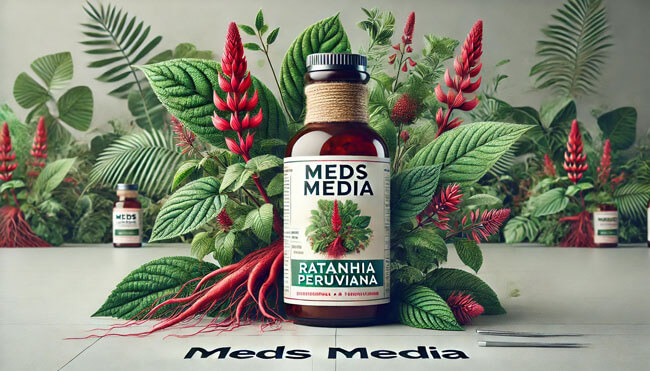
Homeopathic medicine has been a source of natural healing for centuries, addressing various health issues through remedies derived from plants, minerals, and other natural sources. One such remedy is Ratanhia Peruviana, a medicine primarily used for its efficacy in alleviating specific symptoms of diabetes.
Derived From
- Source: Ratanhia Peruviana is derived from the root of the Ratanhia shrub (Krameria triandra), a plant native to South America.
- Kingdom: Plant
Main Indication
Ratanhia Peruviana is primarily indicated for managing symptoms of diabetes that include excessive thirst, emaciation, weakness, and kidney-related issues.
Main Symptoms
The following symptoms are characteristic of individuals who may benefit from Ratanhia Peruviana in managing diabetes:
- General Weakness and Emaciation:
- Notable weight loss and a general sense of fatigue.
- Sore, aching limbs that restrict mobility.
- Excessive Appetite and Thirst:
- Constant hunger despite regular meals.
- Insatiable thirst accompanied by persistent dryness of the mouth.
- Oral Symptoms:
- Swollen and livid gums that may bleed easily.
- Persistent mouth dryness contributing to discomfort.
- Renal and Urinary Symptoms:
- Kidney soreness and tenderness, often with associated back pain.
- Frequent urination with a tendency to pass either scanty or large quantities of light-colored urine.
- Sensation of incomplete bladder emptying despite frequent urges.
- Pain Symptoms:
- Severe pain in the small of the back, which improves with motion.
- Digestive Complaints:
- Hard stool, often requiring significant straining to pass.
- Symptoms of constipation with associated abdominal discomfort.
Uses
Ratanhia Peruviana’s application in homeopathy for diabetes revolves around alleviating specific symptoms rather than directly curing the condition. It is especially effective for:
- Managing excessive thirst and dryness of the mouth.
- Reducing symptoms of kidney discomfort and frequent urination.
- Addressing general weakness and fatigue associated with diabetes.
- Providing relief from associated digestive symptoms, such as constipation.
Suitable Conditions
- Acute or Chronic: Ratanhia Peruviana is primarily suited for chronic management of diabetes-related symptoms.
- Type 1 or Type 2 Diabetes: The remedy can be used for individuals with Type 2 diabetes, where symptomatic relief from thirst, kidney discomfort, and fatigue is needed. It may not directly address insulin production or glucose metabolism but provides symptomatic comfort.
How Ratanhia Peruviana Works in Diabetes
Ratanhia Peruviana acts on the body’s natural healing mechanisms to restore balance. It targets specific symptoms linked to diabetes, providing relief and enhancing the patient’s overall well-being. By addressing excessive thirst, weakness, and renal symptoms, the remedy complements other treatment strategies, such as dietary management and conventional medications.
Precautions and Contraindications
While Ratanhia Peruviana is generally safe when prescribed by a qualified homeopathic practitioner, patients should observe the following precautions:
- Avoid self-medication; consult a healthcare professional for proper dosage and usage.
- Use as part of a broader diabetes management plan, including diet, exercise, and conventional treatments.
- Monitor blood glucose levels regularly to ensure holistic management of diabetes.
Frequently Asked Questions (FAQs)
1. Can Ratanhia Peruviana cure diabetes?
No, Ratanhia Peruviana does not cure diabetes. It is used to alleviate specific symptoms associated with diabetes, such as excessive thirst, weakness, and kidney discomfort.
2. Is Ratanhia Peruviana safe for long-term use?
Yes, when prescribed by a qualified practitioner, Ratanhia Peruviana is safe for long-term use in managing symptoms of chronic conditions like diabetes.
3. How is Ratanhia Peruviana administered?
The remedy is typically administered in potentized (diluted) forms, such as pellets or liquid dilutions. The dosage depends on the individual’s symptoms and overall health.
4. Can it be used with conventional diabetes medications?
Yes, Ratanhia Peruviana can be used alongside conventional medications. However, always consult with a healthcare provider to avoid interactions or complications.
5. Are there side effects associated with Ratanhia Peruviana?
Homeopathic remedies like Ratanhia Peruviana are generally free from side effects when used as directed. Overuse or inappropriate dosage may lead to a temporary aggravation of symptoms.