

Introduction
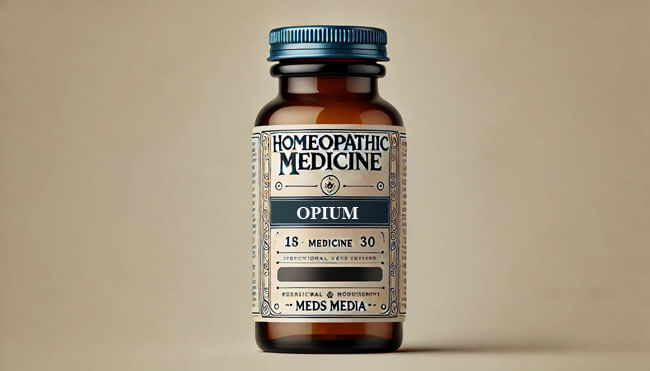
Diabetes is a chronic condition affecting millions worldwide, characterized by abnormal blood sugar levels due to the body’s inability to produce or use insulin effectively. Homeopathy, an alternative medicinal system, offers remedies tailored to individual symptoms and conditions. Among these, Opium, a remedy derived from the dried latex of the poppy plant (Papaver somniferum), has specific applications for diabetes management, especially for unique symptomatic profiles.
Derived From
- Source: Latex extracted from the unripe seed pods of the poppy plant.
- Kingdom: Plantae (Plant-based origin).
Opium undergoes a series of potentization steps in homeopathy to transform its raw toxic form into a safe and effective remedy.
Main Indication
Opium is primarily indicated for diabetes cases where symptoms are marked by sluggish bodily responses, dryness, and an impaired nervous system. Its use is rooted in the presentation of unusual symptoms linked to diabetic conditions, particularly in patients with chronic constipation, neuropathy, and reduced urinary output.
Key Symptoms
General Symptoms
- Mental and Emotional State:
- Dulness and sadness following mental shocks or injuries.
- Weak memory and impaired concentration.
- Sensation of mental fogginess or confusion.
- Physical Characteristics:
- Vision obscured as if by a fog.
- Bloated, congested, or sunken and pale face.
- Dry, thickly coated tongue with frothy sputum.
- Extreme dryness of the mouth and esophagus.
- Gastrointestinal Symptoms:
- Ravenous hunger combined with unquenchable thirst.
- Severe constipation; great difficulty in expelling stool.
- No passage of urine or feces in extreme cases.
- Urinary Symptoms:
- Scanty, turbid, brown urine with an iridescent film.
- Great pain and difficulty during urination.
- Neurological Symptoms:
- Weariness, numbness, and a generalized feeling of heaviness.
Uses
Opium is used in cases of diabetes where nervous system involvement is pronounced, and metabolic dysfunctions lead to extreme symptomatic dryness and sluggishness. The remedy is especially effective in:
- Managing Neuropathy: Addressing numbness and weariness caused by prolonged diabetes.
- Improving Gastrointestinal Function: Alleviating chronic constipation, a common complaint in diabetes patients.
- Regulating Urinary Issues: Reducing difficulty and pain during urination while addressing scanty output.
- Calming Mental Fog: Improving dulness and sadness, especially after emotional trauma or injury.
Indications in Diabetes
Most Suitable Conditions
Opium is most effective for cases where:
- The patient exhibits Type 2 diabetes with complications like neuropathy and gastrointestinal distress.
- Symptoms are acute or chronic, and relief is required for specific issues like dryness, constipation, or mental dulness.
Acute vs. Chronic
- Acute Conditions: Effective for sudden episodes of dryness, constipation, or nervous impairment due to high blood sugar levels.
- Chronic Conditions: Addresses long-term issues like neuropathy, chronic gastrointestinal issues, and impaired urinary function in advanced diabetes cases.
FAQ Section
1. What makes Opium unique for diabetes in homeopathy?
Opium is distinguished by its ability to address symptoms associated with sluggishness, dryness, and nervous impairment, particularly in diabetic patients.
2. Can Opium be used for both Type 1 and Type 2 diabetes?
Opium is more commonly indicated for Type 2 diabetes, especially in patients with neuropathic symptoms, constipation, or reduced urinary output. Its use in Type 1 diabetes is less frequent and depends on specific symptom matching.
3. Is Opium safe for long-term use?
When prescribed by a qualified homeopath and taken in potentized form, Opium is safe and free from side effects. Prolonged self-medication without guidance is not recommended.
4. What potencies are commonly used?
Common potencies range from 6C to 30C, with higher potencies (200C and above) reserved for chronic cases under professional supervision.
5. How does Opium interact with conventional diabetes medications?
Homeopathic remedies like Opium can complement conventional treatment but should not replace insulin or oral hypoglycemic agents. Always consult both your homeopath and physician before combining treatments.