
Overview
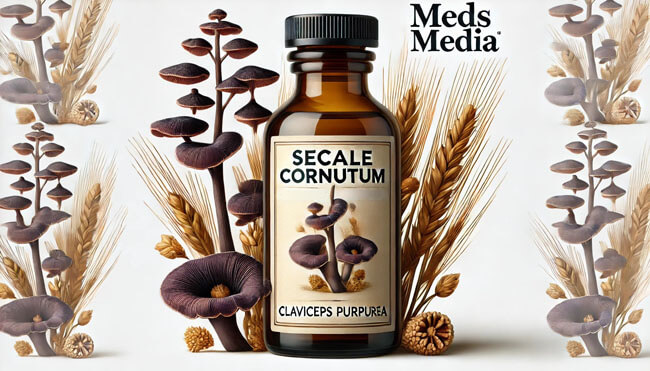
Secale Cornutum, commonly known as ergot of rye, is a homeopathic remedy derived from a fungus that grows on rye grains. This remedy has been extensively used in homeopathy for various conditions, particularly those affecting the circulatory and nervous systems. Its application for diabetes management is an area of interest due to its specific symptomatology and potential benefits for particular presentations of the disease.
Derived From:
Source: Secale Cornutum is derived from the fungal growth Claviceps purpurea found on rye and other cereals.
Kingdom: Fungi
Main Indication:
Secale Cornutum is primarily indicated for individuals with diabetes who exhibit symptoms such as weakness, gangrene, and circulatory issues, especially those with complications arising from poor blood flow or tissue degeneration.
Main Symptoms:
- Circulatory Issues:
- Gangrene, particularly of the extremities, is a hallmark symptom.
- Cyanosis and mottling of the skin due to poor circulation.
- Cold, clammy limbs with reduced sensation.
- Neurological Symptoms:
- Great lassitude and heaviness of limbs.
- Diminished power of the senses, including blurred vision or reduced hearing.
- Tremors or weakness, particularly in diabetics with neuropathy.
- Skin and Tissue Conditions:
- Dry, withered skin with poor healing capacity.
- Furuncles, petechiae, or other small hemorrhages in the skin.
- Prone to ulceration and infection.
- Digestive Symptoms:
- Morbidly increased appetite (polyphagia), often linked to diabetes.
- Costiveness (severe constipation) alternating with diarrhea.
- Sensation of gnawing pain or cardialgia (pain near the heart).
- Urinary Symptoms:
- Increased quantity of urine (polyuria), a classic diabetic symptom.
- Watery and clear urine.
- Fever and Thirst:
- Feverish conditions with unquenchable thirst.
- Dehydration symptoms often accompanying diabetes.
Uses of Secale Cornutum in Diabetes
General Applications:
Secale Cornutum is most effective in managing diabetes-related complications rather than treating the core pathology of diabetes. Its usage is centered around addressing issues such as:
- Peripheral neuropathy
- Poor circulation leading to gangrene
- Weakness and emaciation
- Digestive disturbances such as erratic appetite and bowel movements
Specific Suitability:
- Acute vs. Chronic Conditions: Secale Cornutum is more suited for chronic conditions and long-term complications of diabetes.
- Type of Diabetes: It is generally more appropriate for Type 2 diabetes, particularly in advanced stages with complications like gangrene or diabetic neuropathy.
Key Symptoms and Conditions for Homeopathic Use
- Gangrene and Necrosis:
- Especially dry gangrene of the feet or hands.
- Useful in cases where the extremities appear blackened or shriveled.
- Peripheral Neuropathy:
- Tingling, numbness, or loss of sensation in the limbs.
- Pain and burning sensations aggravated by cold.
- Circulatory Complications:
- Arterial insufficiency, leading to cold extremities and cyanosis.
- Prone to ulcer formation due to poor blood supply.
- Appetite and Weight Management:
- Abnormal appetite levels, often excessive hunger.
- Weakness and emaciation despite eating well.
- Urinary Symptoms:
- Excessive urination, often with a sweetish odor.
Most Suitable Conditions for Secale Cornutum
Secale Cornutum works best when:
- There is a marked deterioration in peripheral blood flow.
- Symptoms of tissue necrosis and gangrene are present.
- Patients experience severe weakness and sensory loss.
It is critical to consult a professional homeopath for precise case evaluation before administration.
FAQ
1. What is Secale Cornutum?
Secale Cornutum is a homeopathic remedy derived from the ergot fungus that grows on rye. It is used for various circulatory, neurological, and skin conditions, particularly in diabetics.
2. Can Secale Cornutum cure diabetes?
Homeopathic remedies like Secale Cornutum do not cure diabetes but help manage symptoms and complications associated with the disease, such as gangrene and neuropathy.
3. Is it safe to use Secale Cornutum alongside conventional diabetes medication?
Yes, but always under the supervision of a healthcare professional to avoid interactions and ensure proper management.
4. How is Secale Cornutum administered?
It is typically taken in potentized forms (e.g., 6X, 30C) as prescribed by a homeopath. Dosage depends on the individual case.
5. Is it suitable for Type 1 diabetes?
Secale Cornutum is less commonly used for Type 1 diabetes and is more appropriate for complications related to Type 2 diabetes.